Looking for something?
A place, an idea, a question. Find the articles that interest you.
Articles to discover
 Should you put a spider back outside? The answer depends on its habitatSpiders found in a house do not all live there in the same way. Two natural history museums explain why one-size-fits-all advice is not enough.
 Pike: understanding a predator through the habitats it usesThe pike’s shape explains its ambush-hunting style. Its reproduction also highlights the importance of aquatic vegetation, floodplains and links between aquatic environments.
 Webb: reading planetary collisions in stardustA study of 21 debris discs distinguishes several mineral signatures. Astronomers infer collisions between large rocky bodies, without observing them directly.
 Textile microfibres: how our clothes make their way into waterwaysWashing synthetic materials releases tiny fibres. Limiting them requires action on clothing, its care and wastewater treatment.
 Winter time: beneath the sea, animals follow different clocksOur clocks change, but the ocean does not. Yet fish, plankton and corals set their activity by the light, the tides, the Moon and the seasons.
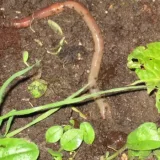 How do earthworms breathe underground?Without lungs or gills, earthworms absorb oxygen through their moist skin. Rain, compaction and water in the soil alter this balance.
 Nepal: how a warning given just minutes ahead protected 900 pupilsOn 26 August 2026, a school in Nuwakot evacuated around 900 pupils before a devastating flood. A look back at a decision made in a matter of minutes.
 University audit: contract expected before the end of 2026After two unsuccessful calls for tender, the ministry is negotiating with a potential provider to audit the governance of the University of Luxembourg. The report is expected in summer 2027.
 After a storm: precautions to take in Luxembourg’s forestsCalmer weather does not necessarily make a path safe. Weakened trees, hanging branches, closures: useful guidance before heading out.
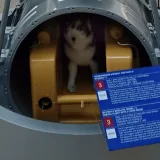 Laika: why her 1957 flight was a first in orbitSputnik 2 put the first animal into orbit around the Earth. Flights had taken place before it, and no return was planned for the dog: the milestones of a historic mission.
 Wind turbines and bats: what nocturnal curtailment really provesFrench wind farms show a sharp fall in mortality after targeted shutdowns. Another study involving Luxembourg simulates their energy cost: the two sets of results do not measure the same thing.
 AI agents at work: what TheAgentCompany really measuresCarnegie Mellon’s test checks tasks in a simulated company. Its first scores date from 2024: they explain some limitations, but do not rank today’s AI systems.