Looking for something?
A place, an idea, a question. Find the articles that interest you.
Articles to discover
 Nature volunteering in Alsace: how to help the ConservatoireA day’s conservation work, regular site visits or wildlife monitoring: the CEN Alsace offers several ways to get involved. Here’s how to choose a commitment and understand its purpose.
 Lake Nyos: how dissolved CO₂ caused the 1986 disasterIn Cameroon, Lake Nyos released a deadly cloud of CO₂ in August 1986. Understanding how the gas was stored at depth also explains how degassing systems work.
 Food shopping: how to tell whether a promotion really saves you moneyPrice per kilo, multipacks, own-label brands and short-dated products: three examples with figures to distinguish an advertised discount from a real saving.
 Core Advanced: what do the 2 GB of memory really measure?Apple’s model has 20 billion parameters, but a reading taken after a prompt shows around 2 GiB. These figures do not measure the same thing: one describes the entire model, the other a memory state observed on a particular Mac.
 Treatment-resistant depression: where do esketamine and psilocybin stand?A medicine already authorised in Europe, and research protocols still to be assessed: these two avenues do not offer the same points of reference. Benefits, risks and care framework must be considered together.
 At Versailles, adapting heritage to the climate begins with observationHeat, humidity, drought: the palace and its gardens do not call for the same responses. Monitoring collections and biodiversity helps guide interventions.
 CO₂ record in 2025: why the atmosphere continues to accumulate greenhouse gasesThe WMO reports a new record for CO₂, methane and nitrous oxide in 2025. What concentrations actually measure and what NOAA’s independent readings show.
 3 Brasseurs announce opening in Trélissac on 29 OctoberAt La Feuilleraie, the new restaurant will combine brasserie food with beer brewed on site. The chain has confirmed the opening date as 29 October 2026.
 Why soaring can take less energy than swimming: what 38 species revealA study published in October 2026 compares 17 years of movements by birds and bats. The condor barely flaps its wings, but its efficiency depends on air currents.
 Type 1 diabetes and sex: what a study of 110 encounters foundAmong 12 adults monitored with glucose sensors, no clinically significant hypoglycaemia was observed during 110 sexual encounters. Reassuring findings, but the study is too small to rule out all risk.
 Creatine: what science confirms for muscles, and what remains uncertain for the brainStrength, intense exercise, memory: not all the effects attributed to creatine are supported by the same level of evidence. A look at the views of the NIH and EFSA, and European rules.
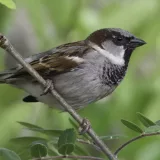 House sparrow: why its chirping is becoming rarer in some citiesEurope lost around half of its house sparrows between 1980 and 2017. What do these figures really tell us, and how should we interpret the counts from Luxembourg gardens in 2020 and 2025?