Looking for something?
A place, an idea, a question. Find the articles that interest you.
Articles to discover
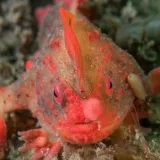 Photo Ark: why the 18,000-species milestone is more than a collection of imagesJoel Sartore’s project reached this milestone in August 2026 with a red handfish. His approach gives a place to smaller species that are often less visible.
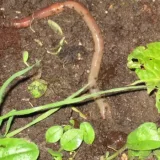 How do earthworms breathe underground?Without lungs or gills, earthworms absorb oxygen through their moist skin. Rain, compaction and water in the soil alter this balance.
 After a storm: precautions to take in Luxembourg’s forestsCalmer weather does not necessarily make a path safe. Weakened trees, hanging branches, closures: useful guidance before heading out.
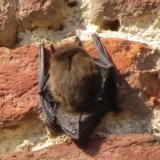 Pipistrelle: insects to hunt and roosts to protectThe common pipistrelle also lives in the façades of buildings in Luxembourg. Its role as an insect hunter deserves more than a single figure: habitats, diet and precautions around roosts.
 Wind turbines and bats: what nocturnal curtailment really provesFrench wind farms show a sharp fall in mortality after targeted shutdowns. Another study involving Luxembourg simulates their energy cost: the two sets of results do not measure the same thing.
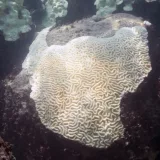 Bleached corals: why contact with a healthy clone speeds up their recoveryAn experiment at Stanford enabled five bleached fragments to recover through contact with genetically identical corals. The results are promising, but still limited to the laboratory.
 Forests supported to change how they are managedRhineland-Palatinate is publicising the reopening of the KWM programme. Deadwood, soils and habitat trees give these commitments practical substance.
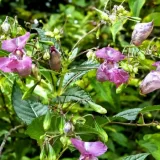 Invasive species: measuring what we protectThe European review of interventions distinguishes between complete, partial and temporary successes. In Luxembourg, RedIAS sets targets for threatened species.
 Biodiversity: counting species is not enoughA review of 423 studies examines the functions of biodiversity.
 The night has corridors tooA study by Cerema examines lighting and natural habitats in Indre. It shows how to move from a night-time image to precise points for action.
 Migratory birds: stopovers matter tooAt Haff Réimech, an outing announced for 4 October invites visitors to observe passing birds. It is an opportunity to understand why their journey also depends on stopovers.
 Leave room for the hedgehog in your gardenFallen leaves, gaps between gardens and careful maintenance: getting ready for autumn can also mean preserving hiding places for small wildlife.