Looking for something?
A place, an idea, a question. Find the articles that interest you.
Articles to discover
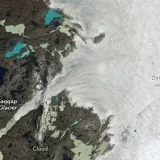 Greenland: what the 2,347 km³ of ice lost between 2010 and 2023 measuresAn analysis combining CryoSat and ICESat-2 describes the thinning of the ice sheet. It is also valuable for comparing two measurement methods.
 Textile microfibres: how our clothes make their way into waterwaysWashing synthetic materials releases tiny fibres. Limiting them requires action on clothing, its care and wastewater treatment.
 Final Fantasy Resonance: what you can discover in the demoA free first chapter, transferable save data and turn-based combat: what to check before discovering this Final Fantasy game.
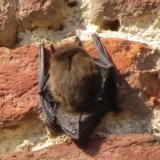 Pipistrelle: insects to hunt and roosts to protectThe common pipistrelle also lives in the façades of buildings in Luxembourg. Its role as an insect hunter deserves more than a single figure: habitats, diet and precautions around roosts.
 Galileo: how Europe is preparing a new generation of satellitesESA has tested the reprogrammable brain of future Galileo satellites. To understand this innovation, we look at how Europe’s GPS works, its clocks, uses and planned developments.
 Health, beyond biologyIn France, a themed year brings research and schools closer together. Field measurements and analysis of information open up the subject to several disciplines.
 Sophie Adenot, from cockpit to orbitBack from her mission, the test pilot embodies a technical profession. Her career and the protocols prepared for εpsilon shed light on its demands.
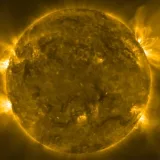 Solar Orbiter: tracing the origin of the solar windSolar Orbiter has linked a magnetic deformation observed in the solar wind to its source on the Sun. The discovery sheds light on magnetic reconnection and space storms.
 Flooding: preparing for autumn in LuxembourgThe inondations.lu portal has been revamped after a dry summer. Forecasts, maps and building protection address different needs.
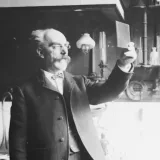 Gabriel Lippmann: light captured in memoryBorn in Hollerich, the physicist fixed colours in photographic plates. Their study still brings together optical research and museum work.
 Speech recognition: what errors should we count?The latest Common Voice release distinguishes between read speech and spontaneous responses. This difference sheds light on the error rates displayed by transcription tools.
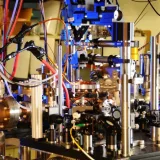 Clocks: comparing precisionA comparison of three atomic clocks in Boulder sheds light on preparations for a new definition of the second. Differences between measurements are part of the process.