Looking for something?
A place, an idea, a question. Find the articles that interest you.
Articles to discover
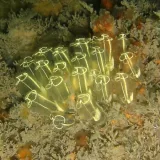 Clavelina: what these small transparent animals revealNeither plant nor deep-sea creature: the large clavelina lives in colonies and filters water. Its small translucent forms tell another story of coastal life.
 Why the bolinche encircles shoals of sardinesA fish that lives in open water, a life in shoals and a net that closes underneath: understanding the link between sardines and this professional fishing technique.
 How shells preserve traces of the marine climateGrowth lines, isotopes and chemical analyses: researchers use shells as ocean archives, while taking care not to confuse local signals with the global climate.
 The solid Earth is becoming slightly less flattened: what satellites measureA study published on 9 September 2026 reveals that uplift in the polar regions accelerated between 1997 and 2015. This tiny change in the shape of the solid globe sheds light on the effects of ice and water redistribution.
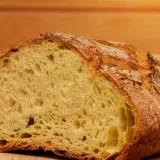 Breakfast: what should you eat, and do you really need to have it every morning?Wholemeal bread, yoghurt, fruit or no meal on waking: recommendations and studies show why the quality of your diet matters more than any one set menu.
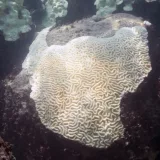 Bleached corals and jellyfish: how to read the signs of an ocean in changeNOAA confirms the scale of heat stress on reefs, but jellyfish blooms do not follow a simple global pattern. Scientists explain why.
 In the vegetable garden in October: sow or transplant lamb’s lettuce for winter?Lamb’s lettuce grows when the vegetable garden slows down. At the end of October, sowing and planting out plugs each have their advantages: timing, watering, protection and precautions for gardeners in Luxembourg.
 In Valloire, cani-hiking turns a walk into a chance to meet the huskiesWalking connected to a Nordic dog, learning the musher’s techniques and discovering the trails around Bonnenuit: how does a cani-hike work, how much does it cost and what age is it suitable for?Guillaume Pitron: why the oceans are becoming a new arena for rivalryIn *Océans. Le nouveau partage du monde*, published on 14 October 2026, the journalist examines the scramble for undersea resources. The law of the sea and ecological risks shed light on what is at stake.
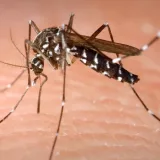 Mosquitoes in autumn: how eggs and adults survive the winterTiger mosquitoes enter egg diapause, while some Culex adults survive: cold affects different populations in different ways.
 Moisturiser: useful pointers for reading a formula and its labelTexture, fragrance, INCI list and period after opening: what these details can tell you, without ranking brands or making universal promises.
 BUFO in Alsace: why the green toad also frequents developed sitesQuarry ponds, retention basins and terrestrial areas: this amphibian’s needs are not limited to landscapes that appear natural.