Looking for something?
A place, an idea, a question. Find the articles that interest you.
Articles to discover
 At auction, the hammer price is not the whole billBuyer’s fees, any platform surcharge and transport: the final amount is something to work out before bidding. An example published by a French auction house helps explain the calculation.
 Luxembourg Art Week: preparing your eye before NovemberThe fair returns to the Glacis from 20 to 22 November, with 78 exhibitors announced. Established galleries, emerging artists and photography offer several ways to plan your visit.
 Object ID: giving your collection a precise memoryA single photograph does not tell you everything about an object. The standard presented by ICOM helps bring together identifying information, which is useful in particular if an object is lost or stolen.
 Buying a print: owning the object, understanding the rightsA photograph can be both a collectable object and a protected work. The French Ministry of Culture’s guide encourages readers to distinguish the physical medium they acquire from the rights that allow it to be reproduced or shared.
 An artwork’s provenance: the gaps are part of the record tooBehind a list of owners, there must be documents and verifiable links. A guide from the French Ministry of Culture highlights the importance of research that preserves its uncertainties.
 LOOK!: the second life of a garment in a museumOpened in Paris on 30 September, LOOK! celebrates forty years of fashion at the Musée des Arts Décoratifs. Its focus goes beyond the catwalk: what happens to a piece when it enters a collection?
 Costume Art at the Met: seeing the body through clothingIn New York, the Metropolitan Museum brings garments into dialogue with works from its collections. A way of questioning the place of the clothed body in art history.
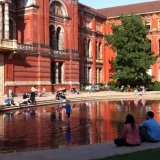 Schiaparelli at the V&A: following an idea through the agesIn London, the exhibition devoted to Schiaparelli is open until 15 November. It links the house’s beginnings with its contemporary creations, asking: how does a signature evolve?
 Social connection: counting encounters is not enoughThe WHO distinguishes measurable social isolation from the feeling of loneliness. This is a useful distinction when thinking about the places, activities and relationships that help people feel genuinely welcome.
 Moving every day: start with an achievable opportunityPhysical activity is not limited to a workout. Getting around, leisure activities and everyday tasks offer different opportunities, which can be adapted to your abilities and surroundings.
 With headphones, volume and duration go hand in handListening at a moderate volume does not have the same effect as prolonged exposure to very loud sound. The WHO’s guidance encourages us to look at our overall listening habits.
 Working at a screen: a break also starts with your workstationMain screen, keyboard, lighting and alternating tasks: prevention is about more than buying a new chair. A Luxembourg guide encourages you to look at your set-up as a whole.