Articles to discover
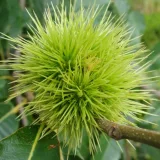 Food and dining · Nov 6, 2026Chestnuts and ‘marrons’: the right fruit and the right kitchen techniquesUnder its shell, the chestnut is still a fresh, delicate fruit. Understanding the word ‘marron’, choosing your product and planning its preparation can prevent many mistakes, even before you turn on the oven.↗
 Jobs · Nov 6, 2026ESA internships 2027: how to prepare your application without choosing the wrong programmeThe European Space Agency’s student internships are now open. You can submit no more than two applications, must remain enrolled at university, and should distinguish this scheme from the programme for recent graduates.↗
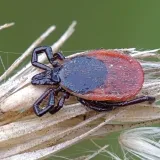 Nature and environment · Nov 6, 2026Ticks: why a hedgerow and a forest do not tell the same story about riskAn INRAE and CNRS model examines ticks at the scale of the bocage. What it measures, its limitations and the precautions that remain useful in autumn.↗
 AI · Nov 6, 2026Frugal AI: a free course on looking beyond the billOpen until 31 December 2026, the MOOC from Inria and MIAI invites participants to examine AI’s impacts. Syllabus, prerequisites and realistic expectations.↗
 Climate · Nov 6, 2026Arctic methane: why estimates are not yet telling the same storyThe AMPAC-Net review highlights a gap between two methods of estimating emissions. Understanding this difference means distinguishing stored carbon, released gases and measurements in the atmosphere.↗
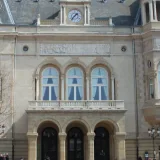 Cinema · Nov 6, 2026Portuguese cinema in Luxembourg: nine films, two venues and several ways inThe festival runs from 6 to 13 November at Ciné Utopia and Cercle Cité. From documentaries to Paulo Rocha, here are the screenings and pointers to help you plan your itinerary.↗
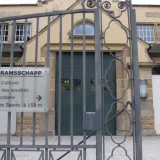 Visual arts · Nov 6, 2026Salon du CAL 2026: an opportunity to explore Luxembourgish artFrom 7 to 22 November, the Tramsschapp will host 44 artists and more than 110 works. Opening hours, guided tours and pointers for exploring the salon without mistaking it for a retrospective.↗
 Nature and environment · Nov 6, 2026Compost and PFAS: what QualiAgro’s monitoring still needs to clarifyINRAE and Veolia are extending their cooperation on agricultural composts. The benefits for soils are documented; the fate of PFAS and microplastics requires separate monitoring.↗
 Climate · Nov 6, 2026Aviation and climate: why changing fuel does not solve the whole equationA study compares aviation pathways with planetary boundaries. To understand its findings, we need to look at fuel life cycles, the resources used and traffic assumptions.↗
 Nature and environment · Nov 6, 2026Biodiversity: what satellites can measure, and what needs checking on the groundThe ESA is strengthening its ecosystem-monitoring tools. But a protected area on a map does not, by itself, prove that nature is doing better there. Here’s how to read this new data.↗
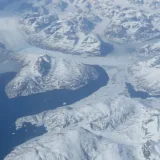 Climate · Nov 6, 2026In Greenland, a lake beneath the ice delays the release of meltwaterBeneath Flade Isblink, an invisible reservoir fills in summer and empties mainly in autumn. Satellites reveal why the date of melting alone is not enough to predict when water will arrive downstream.↗
 Health · Nov 6, 2026Nutrition for older people: preserving appetite without normalising weight lossAn INRAE feature highlights the importance of enjoying food as we age. How to distinguish a smaller appetite from a risk of malnutrition and a situation that should be assessed.↗


