Articles to discover
 Environment · Nov 26, 2026Off Plymouth, two methods shed light on zooplankton changeAt Station L4, off Plymouth, 35 years of microscope counts and eleven years of environmental DNA reveal changes in zooplankton. The methods complement each other, but do not measure the same thing.↗
 Nature and environment · Nov 26, 2026Resolution Island: why isolation was not enough to protect the birdsResolution Island was home to more than 700 birds relocated by Richard Henry. But stoats can reach the island by swimming, a reminder that a refuge surrounded by water is not absolute protection.↗
 Nature and environment · Nov 22, 2026Mahonia in the garden: what should you check before planting?Mahonias flower in the colder months, but species and cultivars differ in size and growth habit. The Belgian case of Mahonia aquifolium is a reminder to check the label, without inferring a status for Luxembourg.↗
 Nature and environment · Nov 21, 2026On Lundy, two different forms of protection for birds and marine lifeOn Lundy, protection combined rat eradication with a no-take marine zone. The reported results are notable, but the monitoring methods remain poorly detailed.↗
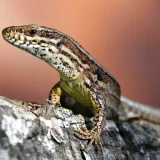 Nature and environment · Nov 20, 2026For some reptiles, a few rock crevices make up their entire habitatAn analysis of 9 729 species identifies those that use rocky habitats and those that depend on them almost entirely. This distinction sheds light on the threats facing some geckos and the limits of measuring protection solely by area.↗
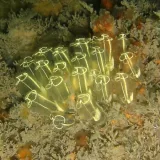 Nature and environment · Oct 26, 2026Clavelina: what these small transparent animals revealNeither plant nor deep-sea creature: the large clavelina lives in colonies and filters water. Its small translucent forms tell another story of coastal life.↗


