Articles to discover
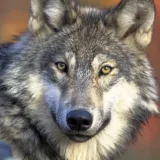 Nature and environment · Nov 23, 2026In Minnesota, an experiment links wolves with blueberry germinationIn an experiment conducted in Minnesota, 96% of blueberry seeds recovered from wolf droppings germinated, compared with 69% of control seeds. The difference suggests an effect from passage through the gut, without by itself demonstrating the creation of new blueberry patches.↗
 Nature and environment · Nov 23, 2026Jays scatter acorns, but do not guarantee the return of an oak forest after a fireBy hiding acorns for the winter, the Eurasian jay disperses seeds that can germinate far from the tree they came from. After a fire, however, this contribution guarantees neither the survival of young plants nor the return of an oak forest.↗
 Nature and environment · Nov 8, 2026Red squirrels in winter: active, but less visibleRed squirrels remain active during winter, but venture out less when the cold sets in. Their shelter, scattered food stores and the seeds they sometimes forget offer insight into their cold-weather strategy.↗
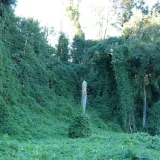 Nature and environment · Nov 8, 2026Kudzu: how a plant introduced to protect soils can smother an environmentIntroduced in the United States and then promoted to combat erosion, kudzu can form dense carpets in open environments. Its history sheds light on the mechanisms that make an introduced plant difficult to contain.↗
 Lifestyle · Oct 31, 2026Mulching the vegetable garden in winter: finding the right balance with slugsLeaves, straw, depth and moisture: practical pointers for protecting the soil without applying a one-size-fits-all recipe. And what trials tell us about slug barriers.↗
 Nature and environment · Oct 26, 2026In the vegetable garden in October: sow or transplant lamb’s lettuce for winter?Lamb’s lettuce grows when the vegetable garden slows down. At the end of October, sowing and planting out plugs each have their advantages: timing, watering, protection and precautions for gardeners in Luxembourg.↗


