Articles to discover
 Nature and environment · Nov 8, 2026Wastewater: what treatment removes and what can still get throughFrom the toilet to the river, wastewater passes through several treatment stages. But treatment does not make water fit to drink or remove every substance: the sewer network and rainfall matter too.↗
 Food and dining · Nov 8, 2026Flacey watercress, from spring to plateIn Flacey, watercress is grown on the banks of the Flacière and sold, among other places, in Dijon. Whether raw in noodles or cooked in soup, it is easy to prepare, as long as you don’t confuse it with wild watercress.↗
 Basic science · Nov 8, 2026Biosphere 2: how soil and concrete altered the oxygen balanceThe fall in oxygen levels in Biosphere 2 revealed an unexpected mechanism: the soil consumed oxygen while the concrete absorbed some of the carbon dioxide. A lesson in the limits of closed ecosystems.↗
 Nature and environment · Nov 8, 2026Kudzu: how a plant introduced to protect soils can smother an environmentIntroduced in the United States and then promoted to combat erosion, kudzu can form dense carpets in open environments. Its history sheds light on the mechanisms that make an introduced plant difficult to contain.↗
 Science · Nov 8, 2026Petrichor: how rain brings the smell of the earth to the surfaceMolecules from soil and plants contribute to the smell of rain. Experiments filmed at very high speed shed light on how raindrops set them circulating again.↗
 Science · Nov 8, 2026Deep geothermal energy: why monitor earthquakes before and after operations?Injecting water deep underground can alter stresses in rocks and trigger earthquakes. Why do deep geothermal projects require monitoring before, during and sometimes after operations?↗
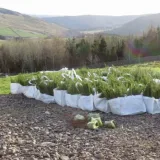 Lifestyle · Nov 8, 2026Planting trees and shrubs in autumn: the soil matters as much as the seasonAutumn can encourage trees and shrubs to take root, but the season alone is not enough: the type of plant, soil conditions and frost all determine the right time.↗
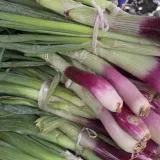 Lifestyle · Nov 8, 2026Garlic, leeks, lettuce: what can you really regrow?A leek base or a lettuce stump can grow new leaves, but not necessarily an entire vegetable. Garlic, on the other hand, needs to be planted in soil to form a new bulb.↗
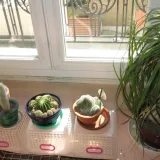 Lifestyle · Nov 8, 2026Houseplants in winter: adjusting light, watering and heatingIn winter, light, temperature and watering are linked. Here’s how to adapt houseplant care to the species and the actual conditions in the room.↗
 Nature and environment · Nov 7, 2026In Madagascar, linking forests is not enough: habitat must be restoredIn eastern Madagascar, a forest corridor aims to reconnect two protected areas. The first plantings and lemur observations are encouraging, but do not yet prove that the habitat is recovering sustainably.↗
 Climate · Nov 6, 2026Arctic methane: why estimates are not yet telling the same storyThe AMPAC-Net review highlights a gap between two methods of estimating emissions. Understanding this difference means distinguishing stored carbon, released gases and measurements in the atmosphere.↗
 Nature and environment · Nov 6, 2026Compost and PFAS: what QualiAgro’s monitoring still needs to clarifyINRAE and Veolia are extending their cooperation on agricultural composts. The benefits for soils are documented; the fate of PFAS and microplastics requires separate monitoring.↗


