Looking for something?
A place, an idea, a question. Find the articles that interest you.
Articles to discover


 At Eymoutiers, Toulondit Castle faces a short lease and a possible saleThe Toulondit association’s lease runs until 31 December 2026. The town is considering selling the castle, but no sale agreement has been reached: the upcoming negotiations will determine whether the association stays, the collective buys the property or another project takes its place.
 3 Brasseurs announce opening in Trélissac on 29 OctoberAt La Feuilleraie, the new restaurant will combine brasserie food with beer brewed on site. The chain has confirmed the opening date as 29 October 2026.
 At Paleta, lunch and tapas cater to two different appetitesA three-course lunch menu, a tapas menu in the evening: Paleta, in Saint-Pierre-d’Irube near Bayonne, structures its offering around two different ways of dining.
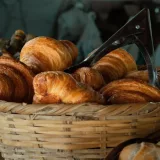 From restaurants to daily bread: two food-focused career changes in ArdècheOne left restaurant kitchens to open a bakery and patisserie; the others left research to take over a café, restaurant and grocery shop.
 Woodstock: behind the granola, a kitchen to feed the crowdIn August 1969, shortages made food a major issue at the festival. The Hog Farm’s free kitchen tells a different story from the one played out on stage.
 Cassava: understanding the transformations behind the ingredientFrom the root to attiéké, preparation methods change the product. A book by Bernard Laurance invites readers to explore this culinary diversity.
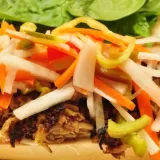 Bánh mì: how a bread that became Vietnamese conquered the world’s kitchensBehind the filled baguette lies a story of Vietnamese culinary transformation. Light bread, pickled vegetables, pâté and regional variations explain its identity.
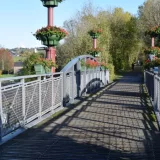 RAVeL: choosing your section towards LiègeLines 38 and 39 link the Three Borders to Chênée over 50 kilometres. Starting point, gradient and return journey: how the two stages affect your plans for a ride.
 Restaurants must be clear about allergensAn appetising dish name does not tell you everything that goes into it. In Luxembourg, written information about allergens must be accessible and up to date.
 Eating local: start with the producer, not the sloganIn Luxembourg, a directory helps you find producers. A good starting point for asking specific questions about what you put on your plate.