Articles to discover
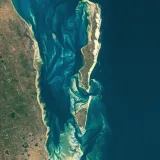 Nature and environment · Nov 25, 2026How do ancient coastal forests become marine habitats?In Mozambique, ancient peat deposits form underwater reliefs colonised by marine life. A study at Bazaruto sets out what distinguishes these habitats from coral reefs, and what the observations do not yet allow us to conclude.↗
 Nature and environment · Nov 25, 2026In Dissay, supposedly biodegradable sleeves protect young plantsIn Dissay, an 80-metre hedge was planted using sleeves described as biodegradable. Their performance remains to be assessed, as does the growth of the plants.↗
 Nature and environment · Nov 24, 2026Why hippos pose an ecological problem in ColombiaColombia announced new monitoring measures in September 2026. How they will be implemented in the Magdalena basin, where hippos have spread, remains to be seen.↗
 Nature and environment · Nov 23, 2026In Dommeldange, 4,600 trees contribute to the 30,000 targetAround 4,600 trees were planted in Dommeldange on 21 November 2026 as part of the municipal target of 30,000 trees by 2030. Forest, orchard and workshops address different issues.↗
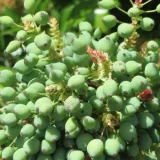 Nature and environment · Nov 22, 2026Mahonia in the garden: what should you check before planting?Mahonias flower in the colder months, but species and cultivars differ in size and growth habit. The Belgian case of Mahonia aquifolium is a reminder to check the label, without inferring a status for Luxembourg.↗
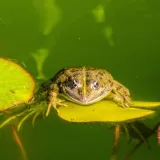 Nature and environment · Nov 22, 2026How do animals find a new pond?A family pond in Virginia was visited by amphibians shortly after it filled with water. The story illustrates one way colonisation can happen, while a study of dragonflies shows why landscape and time matter.↗
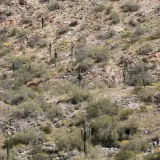 Nature and environment · Nov 22, 2026Why extreme droughts worsen projections for cactiBy incorporating severe droughts into climate models, a study published in Nature projects an increase in the number of cactus species likely to lose part of their climatically suitable range. These estimates are not a count of deaths.↗
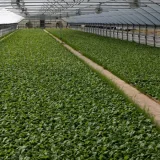 Society & culture · Nov 21, 2026After the growing season, how should you look after a greenhouse or polytunnel?Cleaning a greenhouse in autumn also means deciding what to remove and what to preserve. The plants being kept, the equipment and the possible presence of pests determine what needs to be done.↗
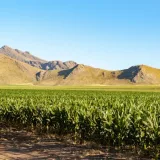 Nature and environment · Nov 20, 2026In the Philippines, two plots reveal a difference in erosion, not an established causeIn Lake Sebu, T’boli farmers measured more than five times as much soil loss in a genetically modified maize plot using glyphosate as in a traditional plot. A local finding that should be interpreted with caution.↗
 Business · Nov 20, 2026Three Luxembourg farms, three ways of changing their businessSocial care, organic mushrooms and the return of trees to vineyards: three agricultural awards recognise different choices by farms, whose effects have not all been measured.↗
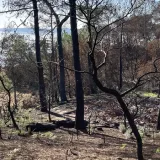 Nature and environment · Nov 14, 2026After the Gironde fire, rebuilding a forest is about more than replantingNatural regeneration, choice of species, soils and safety: the decisions shaping the aftermath of the fire, informed by the experience of La Teste and the questions that remain open in 2026.↗
 Nature and environment · Nov 13, 2026Grasslands of the Massif Central: an observatory to understand how they adapt to the climateAn observatory launched in the Massif Central is monitoring 150 plots to link plant diversity, soils, climate and livestock farming practices. The first surveys are building a basis for comparison, not yet a validated adaptation method.↗


