Articles to discover
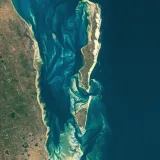 Nature and environment · Nov 25, 2026How do ancient coastal forests become marine habitats?In Mozambique, ancient peat deposits form underwater reliefs colonised by marine life. A study at Bazaruto sets out what distinguishes these habitats from coral reefs, and what the observations do not yet allow us to conclude.↗
 Nature and environment · Nov 24, 2026In the Tunari, women are replanting trees in their watershedsIn Bolivia’s Tunari region, nearly 500,000 young Kewiñas are reported to have been planted since 2022. The figure measures the effort made, not yet the effect of the trees on water.↗
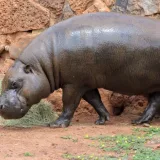 Nature and environment · Nov 21, 2026A rare birth at Cerza that does not sum up the conservation of the pygmy hippopotamusA female pygmy hippopotamus born at Cerza on 31 October highlights the value of zoo breeding programmes. But this birth does not measure the state of wild populations, which are classified as Endangered by the IUCN.↗
 Environment · Nov 20, 2026Indonesian nickel: where does traceability stop at the LME?An EIA investigation links two Indonesian refiners approved by the LME to supply chains associated with deforested sites. But publicly available information does not make it possible to trace each nickel delivery back to its mine of origin.↗
 Nature and environment · Nov 19, 2026After the fires, El Niño’s effects on primates persistDroughts and fires associated with El Niño can affect the diet, movements and reproduction of primates in Southeast Asia. Studies show that the effects can sometimes be long-lasting, but so far cover only a fraction of the species and territories concerned.↗
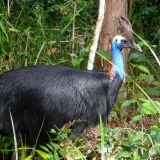 Nature and environment · Nov 8, 2026Tracking the cassowary, reading the forest with the KasuaThe documentary “On the Cassowary’s Trail” follows the clues left by a large bird in Papua New Guinea. Its search also sheds light on the Kasua people’s relationship with the forest they inhabit.↗
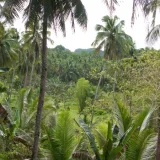 Nature and environment · Nov 4, 2026Threatened palms: why our gardens don’t tell their whole storyA cultivated species can remain threatened in the wild. Research in Madagascar and around the world shows how to interpret the figures and the limits of conservation.↗


