Looking for something?
A place, an idea, a question. Find the articles that interest you.
Articles to discover
 Bioconscience: looking at life without losing precisionMaxime Blondeau’s illustrated book brings science and philosophy together. The Svalbard Global Seed Vault offers a concrete example of the distinctions that need to be preserved.
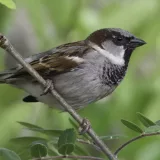 House sparrow: why its chirping is becoming rarer in some citiesEurope lost around half of its house sparrows between 1980 and 2017. What do these figures really tell us, and how should we interpret the counts from Luxembourg gardens in 2020 and 2025?
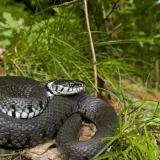 A snake in the garden: in Luxembourg, observe before interveningAn encounter with a grass snake does not mean it is in distress. Here are a few pointers on seasonal rhythms and precautions to help avoid unnecessary intervention.
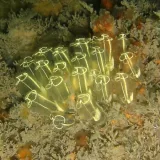 Clavelina: what these small transparent animals revealNeither plant nor deep-sea creature: the large clavelina lives in colonies and filters water. Its small translucent forms tell another story of coastal life.
 Why the bolinche encircles shoals of sardinesA fish that lives in open water, a life in shoals and a net that closes underneath: understanding the link between sardines and this professional fishing technique.
 How shells preserve traces of the marine climateGrowth lines, isotopes and chemical analyses: researchers use shells as ocean archives, while taking care not to confuse local signals with the global climate.
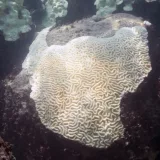 Bleached corals and jellyfish: how to read the signs of an ocean in changeNOAA confirms the scale of heat stress on reefs, but jellyfish blooms do not follow a simple global pattern. Scientists explain why.
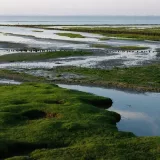 In extreme waves, marsh soil holds up better than its plantsA full-scale trial in the Netherlands distinguishes soil resistance from the buffering effect of vegetation. The findings could help complement dikes.
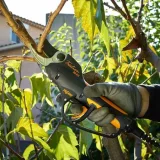 Autumn garden: why you don’t need to cut everything back before winterA bare-looking plant may still be alive, while dry stems provide shelter. The right time to prune depends on the species and the plant’s condition.
 Écopôle du Val d’Allier: how former gravel pits become habitatsReshaped banks, nesting rafts and species monitoring: restoring this site in Puy-de-Dôme requires work that continues beyond the initial improvements.
 Should you put a spider back outside? The answer depends on its habitatSpiders found in a house do not all live there in the same way. Two natural history museums explain why one-size-fits-all advice is not enough.
 Pike: understanding a predator through the habitats it usesThe pike’s shape explains its ambush-hunting style. Its reproduction also highlights the importance of aquatic vegetation, floodplains and links between aquatic environments.