Looking for something?
A place, an idea, a question. Find the articles that interest you.
Articles to discover
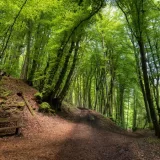 After a storm: precautions to take in Luxembourg’s forestsCalmer weather does not necessarily make a path safe. Weakened trees, hanging branches, closures: useful guidance before heading out.
 Somalia: understanding the projected food risks for the end of 2026September analyses project 5.4 million people to be in a food crisis or worse between October and December. How should these figures and warnings about reduced healthcare be understood?
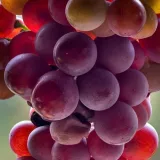 In Calvados, a wine-growing gamble in the name of adaptationA winegrower from Saumur has planted 20,000 vines in Calvados, saying he has found a cooler climate there, while the report sets this decision against the pressure of rising temperatures on the Loire Valley. After a first harvest in 2025, three quarters of 12,000 bottles of white wine were sold in a month and a half.
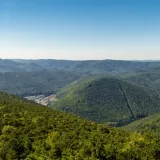 Forests supported to change how they are managedRhineland-Palatinate is publicising the reopening of the KWM programme. Deadwood, soils and habitat trees give these commitments practical substance.
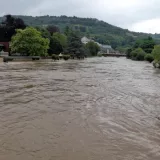 Flooding: preparing for autumn in LuxembourgThe inondations.lu portal has been revamped after a dry summer. Forecasts, maps and building protection address different needs.
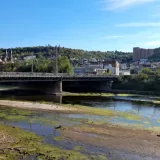 Fresh water: reserves are dwindlingThe WMO’s 2025 global assessment describes river flows that are often below normal and a sustained decline in reserves. Two phenomena that should be distinguished.
 El Niño 2026–2027: reading the forecast at the right scaleThe WMO expects El Niño to strengthen and persist until February. This global climate signal does not, on its own, describe the winter in store for Luxembourg.
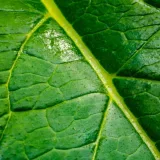 FLEX: observing plants beyond their colourLaunched on 15 September with Sentinel-3C, the European satellite is targeting a subtle signal: plant fluorescence. Interpreting it takes more than a beautiful green image.
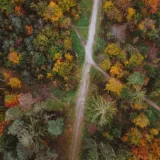 European forests: hectares don’t tell the whole storyA satellite study distinguishes the area affected from the biomass lost. This difference changes how damage is interpreted, without providing a complete carbon balance.