Looking for something?
A place, an idea, a question. Find the articles that interest you.
Articles to discover
 Why soaring can take less energy than swimming: what 38 species revealA study published in October 2026 compares 17 years of movements by birds and bats. The condor barely flaps its wings, but its efficiency depends on air currents.
 France in 2050: ageing, climate and the choices to make todayBy 2050, 16.5% of people in France could be aged 75 or over, while climate adaptation is being prepared on a trajectory of +2.7 °C. The report « France 2035, France 2050 » sets out the trade-offs ahead.
 Amazonia: deforestation down, but the forest remains under pressureAfter Lula’s re-election, the debate shifts to the effective protection of the forest. An annual measure, an alternative scenario and political obstacles shed light on different questions.
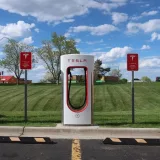 Tesla and SpaceX: the accounts shed light on the stakes of a potential tie-upEven before any potential merger, Tesla and SpaceX are already linked through shareholdings and battery sales.
 Creatine: what science confirms for muscles, and what remains uncertain for the brainStrength, intense exercise, memory: not all the effects attributed to creatine are supported by the same level of evidence. A look at the views of the NIH and EFSA, and European rules.
 Algeria–Niger: what the vote on sending troops authorisesFollowing the parliamentary vote on 25 October, Algiers is planning a deployment to Madama. The timetable and troop numbers remain unknown in information available on 26 October.
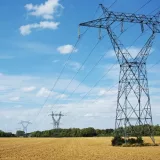 France exports electricity: is it really independent?With net exports of 92.3 TWh in 2025, France has set an electricity record. But its reliance on oil, gas and uranium tells a different story about dependence.
 Why Star Wars spacecraft don’t look like real rocketsStaged rockets, the heat of atmospheric re-entry, life on board and the speed of light: what physics really allows spacecraft to do.
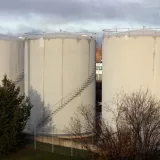 Oil reserves: why 90 days does not guarantee three months’ supplyIn Luxembourg, as elsewhere in the European Union, emergency stocks are subject to precise rules. Their volume is not enough to predict how long a shortage will last.
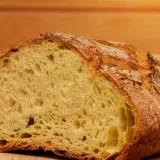 Breakfast: what should you eat, and do you really need to have it every morning?Wholemeal bread, yoghurt, fruit or no meal on waking: recommendations and studies show why the quality of your diet matters more than any one set menu.
 Changing the clocks: from France’s 1976 decision to Europe’s deadlockFrance reinstated the clock change fifty years ago to reduce artificial lighting. Its abolition now depends on a European agreement that has yet to be reached, while a new study examines the possible consequences.
 Bleached corals and jellyfish: how to read the signs of an ocean in changeNOAA confirms the scale of heat stress on reefs, but jellyfish blooms do not follow a simple global pattern. Scientists explain why.