Looking for something?
A place, an idea, a question. Find the articles that interest you.
Articles to discover
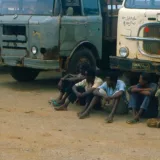 Somalia: the food crisis is up against a lack of aid and the risk of floodingThe IPC projects that 5.4 million people will be in food crisis or worse from October to December. A lack of funding and the risk of flooding are complicating the response.
 At Versailles, adapting heritage to the climate begins with observationHeat, humidity, drought: the palace and its gardens do not call for the same responses. Monitoring collections and biodiversity helps guide interventions.
 Triops: why their eggs can wait for the next rainTriops live in pools that can disappear for months. Studies shed light on the dormancy of their eggs, their resistance to drying out and the signals that trigger hatching.
 CO₂ record in 2025: why the atmosphere continues to accumulate greenhouse gasesThe WMO reports a new record for CO₂, methane and nitrous oxide in 2025. What concentrations actually measure and what NOAA’s independent readings show.
 France in 2050: ageing, climate and the choices to make todayBy 2050, 16.5% of people in France could be aged 75 or over, while climate adaptation is being prepared on a trajectory of +2.7 °C. The report « France 2035, France 2050 » sets out the trade-offs ahead.
 Drought: why rain is not always enoughFrance’s September 2026 assessment shows a marked deficit. But rainfall, soil moisture and groundwater levels do not measure the same thing.
 After a storm: precautions to take in Luxembourg’s forestsCalmer weather does not necessarily make a path safe. Weakened trees, hanging branches, closures: useful guidance before heading out.
 Somalia: understanding the projected food risks for the end of 2026September analyses project 5.4 million people to be in a food crisis or worse between October and December. How should these figures and warnings about reduced healthcare be understood?
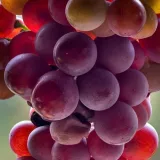 In Calvados, a wine-growing gamble in the name of adaptationA winegrower from Saumur has planted 20,000 vines in Calvados, saying he has found a cooler climate there, while the report sets this decision against the pressure of rising temperatures on the Loire Valley. After a first harvest in 2025, three quarters of 12,000 bottles of white wine were sold in a month and a half.
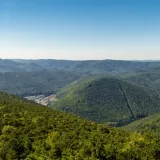 Forests supported to change how they are managedRhineland-Palatinate is publicising the reopening of the KWM programme. Deadwood, soils and habitat trees give these commitments practical substance.
 Flooding: preparing for autumn in LuxembourgThe inondations.lu portal has been revamped after a dry summer. Forecasts, maps and building protection address different needs.
 Fresh water: reserves are dwindlingThe WMO’s 2025 global assessment describes river flows that are often below normal and a sustained decline in reserves. Two phenomena that should be distinguished.