Articles to discover
 Nature and environment · Nov 6, 2026Ticks: why a hedgerow and a forest do not tell the same story about riskAn INRAE and CNRS model examines ticks at the scale of the bocage. What it measures, its limitations and the precautions that remain useful in autumn.↗
 Nature and environment · Nov 6, 2026Biodiversity: what satellites can measure, and what needs checking on the groundThe ESA is strengthening its ecosystem-monitoring tools. But a protected area on a map does not, by itself, prove that nature is doing better there. Here’s how to read this new data.↗
 Nature and environment · Nov 6, 2026SolsVivants: understanding what organisms beneath our feet doThe CNRS-INRAE programme is starting with €9 million over five years. Its challenge: to link organisms and their interactions to how soils actually function.↗
 Music · Nov 6, 2026Leo Brouwer: discovering the composer beyond the guitarFrance Musique is opening its archives devoted to the Cuban composer. A journey through guitar, chamber music and percussion, with pointers for listening.↗
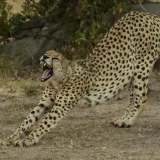 Nature and environment · Nov 6, 2026Cheetah killed in India: protection must extend beyond Kuno’s bordersThe death of KNG22, wounded by gunshot pellets outside Kuno, has prompted an investigation. It is a reminder of why births and long-term protection must be assessed separately.↗
 Health · Nov 6, 2026Aubery Guiraute: teaching while living with epidermolysis bullosaIn Pau, this teacher and DEBRA France ambassador describes a life in which work is organised around medical care. Her story is one to understand without generalising from it.↗
 Jobs · Nov 6, 2026Employment in Luxembourg: how to look beyond promises of diversityAfter Rainbow Career Day, an example tested by IMS Luxembourg shows how to examine recruitment practices, their results and their limitations.↗
 Books · Nov 6, 2026Reading in Gaza: recovering the memory of libraries, beyond the lost booksTestimonies, archives and maps: Reading in Gaza documents reading spaces affected by the war. What this inventory preserves and what it cannot replace.↗
 Nature and environment · Nov 4, 2026Var and Drôme: after the Mission Nature fundraiser, how can restoration be monitored?More than seven million euros were announced after three October draws. Studies, works and ecological monitoring: what this funding makes possible to understand, and what remains to be clarified.↗
 Nature and environment · Nov 4, 2026After COP17, financing nature also means reviewing the spending that harms itBiodiversity pledges do not tell the whole story. UN and IISD figures invite us to distinguish between money announced, harmful spending and benefits that have actually been assessed.↗
 Nature and environment · Nov 4, 2026Threatened palms: why our gardens don’t tell their whole storyA cultivated species can remain threatened in the wild. Research in Madagascar and around the world shows how to interpret the figures and the limits of conservation.↗
 Nature and environment · Nov 1, 2026Edible wild plants: learn to look before you pickA botanical walk in the Gard invites visitors to rediscover wild plants. But knowing a culinary use, identifying a species and having the right to pick it are three different things.↗


