Articles to discover
 Environment · Nov 26, 2026Marine biodiversity: in Bruges, the species science is still trying to describeIn Bruges, discussions on nematodes, environmental DNA and taxonomy highlighted a less visible issue in marine conservation: knowing which species live in the oceans, and how to identify them.↗
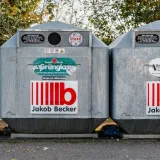 Living · Nov 26, 2026Public bins or resource centre: which option should you choose?Paper, glass, textiles and batteries have their own public bins. When a bin is full, the City suggests waiting, looking for another collection point or going to the resource centre, access to which is subject to specific conditions.↗
 Basic science · Nov 25, 2026How selenium sheds light on the deep recycling of tectonic platesSelenium isotopes link a signature observed in oceanic basalts to material derived from recycled plates. A study combines rock analyses and a numerical model to reconstruct this deep cycle.↗
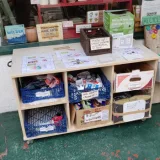 Environment · Nov 25, 2026United Kingdom: how recyclability affects packaging feesIn the United Kingdom, 2026/27 fees for large producers vary according to packaging recyclability. The differences also depend on the material and cover only part of the scheme’s costs.↗
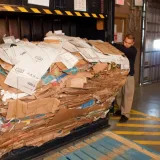 Environment · Nov 25, 2026Waste destined for recovery: digital requirement postponed to September 2027The requirement to use DIWASS for documents accompanying certain non-hazardous waste has been postponed to 1 September 2027. Here’s what is changing, and what is already subject to digital processing.↗
 Environment · Nov 25, 2026Cadmium in fertilisers: France plans to lower limits by 2030France plans to gradually tighten the limits on cadmium in phosphate fertilisers. Concentration in the product and the amount applied to the soil: two measures to distinguish.↗
 Environment · Nov 24, 2026Reuse in construction: how a material finds a second building siteFrom timber dismantled near Nantes to the reUSE platform presented by Esch in 2024, reuse depends on a precise chain: identify, dismantle, assess, store and find a new use.↗
 Business · Nov 24, 2026Replacing plastic packaging inserts with cellulose: what needs comparingMoulded cellulose can replace some plastic inserts, but the result depends on the mould, protection tests and volume. The available data do not make it possible to confirm price parity or a general environmental benefit.↗
 Economy · Nov 24, 2026Energy bills in Luxembourg: what the social welfare office’s assistance coversAccounts gathered in Differdange and Luxembourg City illustrate a range of situations, but do not represent all households. In Luxembourg, the programme to combat energy poverty provides personalised advice and a targeted grant for certain appliances, subject to conditions.↗
 Economy · Nov 24, 2026Critical raw materials: what a strategic stockpile can changeA stockpile can cushion a temporary supply disruption. It cannot replace processing capacity, recycling or supplier diversification. European targets show why these levers need to be combined.↗
 Environment · Nov 23, 2026From retired hotel linen to reuse: the stages of a second lifeFrom sorting at a hotel to resale or repurposing, the journey of retired linen depends on its condition. A French example shows the stages of reuse and the limits of the available figures.↗
 Climate · Nov 23, 2026SF6 and magnesium: what phasing out an industrial gas changesA plant in Indiana eliminated its SF6 emissions in 2024. This gas, used in magnesium processing, has a high global warming potential, but reducing its use depends as much on technical solutions as on the rules governing it.↗


