Articles to discover
 Climate · Nov 25, 2026How do satellites detect tidal variations along a beach?Satellite images make it possible to estimate tide levels in segments of around 100 metres along the coastlines studied. A bay in New Zealand reveals a difference of close to a metre, a useful signal for better understanding local risks, but not in itself a flood forecast.↗
 Space · Nov 22, 2026Io: how to measure the height of its volcanic plumesIo’s plumes reach several hundred kilometres, but their height has to be reconstructed by combining images, geometry and volcanic deposits. Here’s what distinguishes these columns of gas and dust from lava fountains.↗
 Space · Nov 21, 2026The Arecibo message: why its 1,679 bits form a gridSent towards the M13 cluster in 1974, the Arecibo message turned 1,679 bits into a grid of numbers, biological patterns and reference points on Earth. Here’s how to read it, and why the transmission was not a conversation with a reply expected any time soon.↗
 Nature and environment · Nov 19, 2026In Mahera, plastic waste is taking a toll on fishing and fish salesIn Mahera, Sierra Leone, plastic caught in fishing nets means extra work and expense. Delays can also affect the women who buy, process and sell the fish.↗
 Climate · Oct 26, 2026How shells preserve traces of the marine climateGrowth lines, isotopes and chemical analyses: researchers use shells as ocean archives, while taking care not to confuse local signals with the global climate.↗
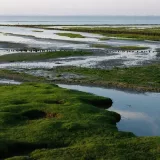 Nature and environment · Oct 26, 2026In extreme waves, marsh soil holds up better than its plantsA full-scale trial in the Netherlands distinguishes soil resistance from the buffering effect of vegetation. The findings could help complement dikes.↗
 Nature and environment · Oct 26, 2026Winter time: beneath the sea, animals follow different clocksOur clocks change, but the ocean does not. Yet fish, plankton and corals set their activity by the light, the tides, the Moon and the seasons.↗


