In France, the Fête de la science takes place from 2 to 12 October 2026 under the theme « Scientific Flavours ». Cooking, taste and food offer a way into research. For readers considering a trip across the border, the key is to choose a specific activity suited to the people accompanying them.
What’s happening on the plate
The national theme suggests several avenues: cooking and emulsions for physics and chemistry; yeasts and fermentation for microbiology; taste, smell and sensory memory for neuroscience. Food thus makes it possible to explore different disciplines through familiar actions and sensations.
These are themes for activities, not a promise that every venue will offer all of these experiences. Events carrying the festival label must be free and offer mediation suited to their audience. So free entry is no reason not to check the age group, times and access arrangements listed for the activity you choose.
An example for families in Chartres
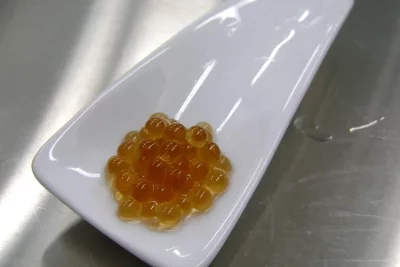
The listing for « Saveurs tellement savantes » announces an activity at the IUT de Chartres, at 1, place Roger-Joly, on Sunday 4 October, from 10:00 to 18:00. Run by Les Savants Fous Dreux, it is aimed at children aged 3 to 6 and 6 to 11, accompanied by their families. It invites them to explore the links between science and cooking, particularly molecular gastronomy.
The stated maximum capacity is eight people. The listing does not specify how the sessions are divided up: the eight-hour time slot should not be taken to mean that a workshop lasts that long. Before travelling, ask the organiser how visitors will be received. This example in Eure-et-Loir illustrates the national programme; it is not somewhere immediately close to Luxembourg.
An event to listen to as well
The ministry has also announced a podcast for children aged 9–12, « La science passe à table, vie et destin d’une endive ! » (Science is served: the life and fate of an endive!). Created by the ministry within the Radio France studio, the series is due to be available from 5 October on the Fête de la science website.
This format will make it possible to follow the theme from home, subject to it going online as announced on 5 October.
Sources
Fête de la science — 2026 theme and event criteria.
Fête de la science — listing for Saveurs tellement savantes in Chartres.
Ministry of Higher Education and Research — announcement of 28 September 2026.
Pages consulted on 3 October 2026.